Neuroscience of Motivation, Action, and Desire Laboratory, Department of Psychiatry & Psychotherapy, University of Bonn & Tübingen
Vagus nerve stimulation and insulin sensitivity in depression
Non-invasive tVNS and changes in metabolism (DZD project)
Status: We are currently recruiting participants for the trial and would be delighted if you would like to support us. All sessions will take place at Bonn University Hospital.
Disorders of energy metabolism are a recognised risk factor for mental health conditions. For example, the development of type 2 diabetes can subsequently increase the likelihood of depression. In this project, we are therefore looking for a way to promote long-term health even in cases where there is an increased risk.
The vagus nerve plays a central role in transmitting signals from the body (e.g. from the stomach) to the brain. Non-invasive vagus nerve stimulation (tVNS) can acutely increase motivation and thus contribute to better management of various conditions.
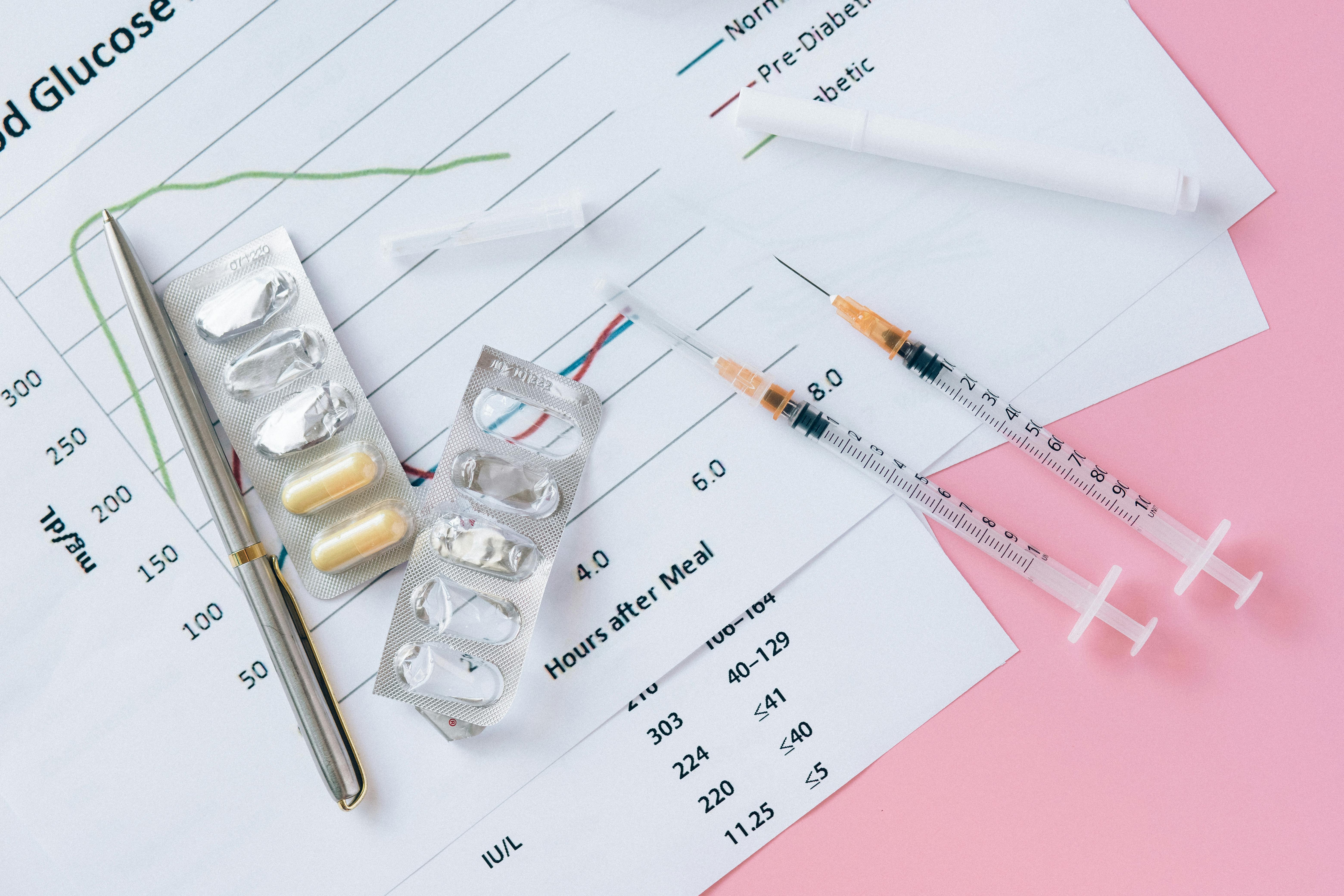
In this study, we are investigating the potential of non-invasive vagus nerve stimulation to improve health in cases of reduced insulin sensitivity (such as in diabetes). We are also testing whether changes in energy metabolism have a positive effect on motivation and mood. For full participation, you can receive €144 as an expense allowance, as well as further rewards for completing the tasks.
Data Protection: The data you provide in the form will be processed by us exclusively for the purpose of responding to or implementing your request, contacting you, and providing you with direct access to the game. For processing, we refer to Art. 6 (1) (a) DSGVO, unless another legal basis applies. Your data will not be passed on to third parties. You can revoke your consent at any time with effect for the future. In the event of revocation, your data will be deleted immediately. Otherwise, your data will be deleted once we have processed your request or the purpose of storage no longer applies.
Brief Summary
Disorders of energy metabolism are a recognised risk factor for mental health conditions. One example of this is the increased risk of depression in people who have previously been diagnosed with type 2 diabetes. Metabolic and psychological symptoms are often interlinked. For example, many patients with depression also report changes in appetite and weight.
Previous studies in our laboratory show that reduced insulin sensitivity can be associated with altered motivation. A loss of interest in or pleasure derived from rewards is a key symptom of depression. According to our findings, the use of non-invasive vagus nerve stimulation (tVNS) can help to restore motivation in this context.
In this study, we are investigating the effect of non-invasive vagus nerve stimulation (tVNS) on insulin sensitivity and motivation. We are studying participants with and without depression who have very different levels of insulin sensitivity. Insulin sensitivity is determined using oral glucose tolerance tests and continuous glucose monitoring, and we stimulate the vagus nerve non-invasively via the ear. To understand the effects on the brain, we stimulate the vagus nerve whilst participants undergo MRI scans – both at rest and whilst performing reward-based tasks.
We expect that the study will significantly advance our understanding of the role of metabolic disorders in mental health conditions.
You are also welcome to find out more about our other studies investigating non-invasive vagus nerve stimulation:
Please get in touch with us if you are aged between 18 and 60. We are looking for participants with and without depression, particularly those with a high BMI. We will discuss all further details with you during an initial telephone consultation. We would also be happy to provide you with information about other study options.
How many sessions does the study involve?
Die Studie umfasst insgesamt 5-6 Termine:
(1) For participants with depression: a clinical interview (1–2 hours)
(2) First intake session with measurement of fasting levels and tasks relating to reward processing (approx. 2.5 hours)
(3+4) Two laboratory sessions for non-invasive vagus nerve stimulation and an oral glucose tolerance test (approx. 2 hours each). Over a period of 2 weeks, your glucose levels will also be measured using a glucose sensor. During this two-week period, you will also perform stimulation at home on two days. Over the course of the 2 weeks, you will be asked daily (2–3 times, 5 minutes each) about your mood and activities.
(5+6) 2 laboratory appointments for non-invasive vagus nerve stimulation during an MRI scan (approx. 2 hours).
Why should I take part? Will I receive any compensation?
Your participation in the study is voluntary and is for research purposes. However, we can compensate you for your time. For the entire study, you will receive 144 euros, as well as additional cash and snack prizes that you can win by completing tasks.
How does the behavioural study work?
Depending on your study group, you may first undergo a clinical interview. You will then complete a number of tasks, whilst fasting, relating to decision-making behaviour and reward processing. For example, you will rate different foods (from pictures and in a taste test) in terms of their flavour. We will also take a blood sample and you will complete questionnaires on eating habits, general motivation and personality. Finally, you will be given a light meal as a thank you.
What do you need to bear in mind before the study sessions?
As we are investigating certain aspects of metabolism, it is important that you arrive at some of the sessions having fasted. In these cases, we therefore ask that you do not eat anything or drink any calorie-containing drinks for approximately 12 hours before taking part in the study. We will discuss exactly which sessions these are when we arrange your appointment. It is also important that you do not drink any alcohol the day before.
What is vagus nerve stimulation? Are there any side effects associated with stimulation?
In this study, we will stimulate your vagus nerve non-invasively using electrical pulses delivered via an external stimulation device placed on your ear.
The vagus nerve is a cranial nerve that transmits signals from the internal organs to the brain. Part of the vagus nerve runs alongside the ear and can be specifically stimulated using electrical stimulation. This enables us to investigate the effect of vagus nerve stimulation on metabolism and behaviour. Vagus nerve stimulation is an established therapeutic method and is currently used primarily in the treatment of epilepsy and depression. A new generation of devices now enables non-invasive stimulation at the ear. The device is CE-certified by the manufacturer for use in the treatment of depression. Initial clinical studies have also investigated other areas of application and confirmed that the procedure is very well tolerated. The stimulation electrode is roughly the shape of a hearing aid and is attached to the ear.
Vagus nerve stimulation at the ear will be felt as a slight tingling or prickling sensation at the relevant site. However, the intensity of the stimulation is adjusted according to individual sensitivity, and we ensure that it never becomes uncomfortable. The device manufacturer lists a slight stinging sensation or mild pain at the stimulation site as possible side effects. Stimulation of the vagus nerve can affect the autonomic nervous system and the cardiovascular system, which may lead to various possible side effects, such as headaches, drowsiness, dizziness, numbness, temporary hearing problems, unusual sensations, diarrhoea, inner ear infections and cardiac arrhythmias. No long-term side effects are currently known in physically healthy individuals. We will assess your suitability for vagus nerve stimulation on an individual basis before the start of the study and monitor any side effects that may arise during your participation in the study in direct consultation with our study doctor.
What is magnetic resonance imaging (MRI)?
In this study, we also aim to gather information about the processes taking place in the brain, and to this end we are using magnetic resonance imaging (MRI). MRI is a medical imaging technique used to visualise organs and tissues, but it utilises magnetic fields and radio waves that are imperceptible to the body. Images of the head are generated from the interaction between these magnetic fields and radio waves.
Magnetic Resonance Imaging (example image)
Can I find out more about the study and the potential risks?
If you are interested in taking part, we will go through the detailed participant information with you; we will send this to you in advance by email. We are happy to answer any questions you may have about potential risks and the aims of the study. Please feel free to contact us at any time if you have any questions. Following the detailed preliminary discussions, you will sign the participant information form before your first appointment, thereby confirming that your participation is voluntary.